How Neural Ablation Helps with Chronic Pain in Gainesville
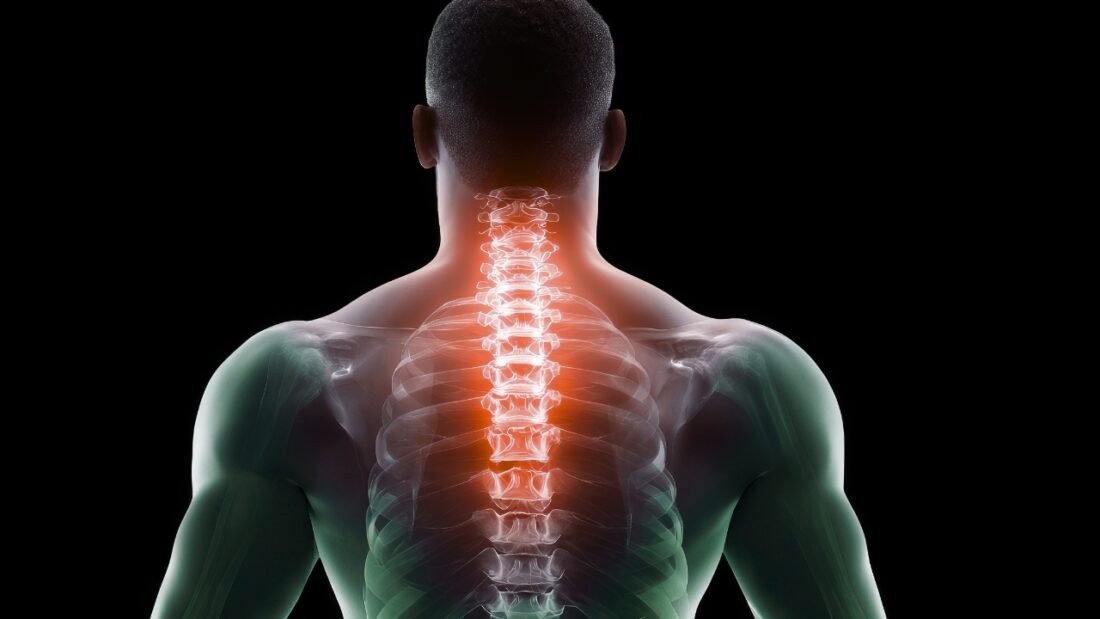
Pain that sticks around long after an injury heals can slowly start to reshape how we move through the day. It can change routines, limit activity, and even make getting dressed or stepping outside harder than it used to be. In Gainesville, when January temperatures cool down, we often hear from people noticing more stiffness and discomfort than usual. When rest, stretches, and medications stop being enough, it sometimes signals that a different approach is needed.
For certain conditions, neural ablation procedures in Gainesville might be the next step toward relief. If nerves are sending pain signals without a good reason, this procedure could help shut that signal down. In the rest of this article, we’ll walk through how it works, when it might make sense, and what the path forward usually looks like.
Understanding Chronic Nerve Pain
Most of us have had regular pain before, maybe from a sore back after yard work or a twisted ankle. That pain usually fades. Chronic nerve pain, though, doesn’t always follow the same rule. It can keep firing even after the injury or strain is long gone.
Overactive or irritated nerves can send signals to the brain that something hurts, even if nothing’s currently damaged. These types of nerves don’t always calm down the way other tissue does. Instead, they might stay on high alert.
We often see this pattern tied to things like:
• Chronic back pain or neck pain
• Joint pain that won’t ease up
• Nerve injury from past trauma
• Post-surgical nerve sensitivity
When pain keeps flaring up without clear cause, nerve-focused treatment may help quiet the signal so the body can finally get a break.
What Neural Ablation Actually Does
Neural ablation is a process that helps block certain nerves from sending pain messages. It doesn’t remove the nerve. Instead, it uses heat or cold to gently change how that nerve behaves. The idea is to stop it from being so reactive without impacting other nerve functions nearby.
The steps are usually simple. A doctor locates the nerve believed to be causing the ongoing pain. Then, using X-ray guidance or ultrasound, they place a thin needle right near that nerve. From there, the tip of the needle uses either radiofrequency (for heat) or cryoablation (for cold) to treat the nerve. Most people feel pressure, not sharp pain, during the short procedure.
At Origins Spine and Joint Physicians, we provide neural ablation using precise radiofrequency and thermal techniques. This procedure is performed in our specialized Gainesville clinic as a minimally invasive outpatient treatment under local anesthesia.
Pain relief doesn’t always happen right away, but once the nerve stops reacting, many people notice a drop in symptoms over the next few days or weeks. The effects can last for several months. If the nerve begins acting up again later, the procedure can often be repeated.
Signs It Might Be Time for the Next Step
Most people don’t start with neural ablation. They try simpler options first, such as stretches, medications, maybe physical therapy. But sometimes, even after all that, the pain still wins out.
Here are some signs that might mean it’s time to consider a new approach:
• Pain that keeps coming back even after rest
• Stiffness in the same area that never fully goes away
• Symptoms that used to respond to heat, exercise, or massage but no longer do
• Cold temperatures around December in Gainesville making things feel worse, especially around the back and joints
Neural ablation is often considered for conditions like facet joint pain, sacroiliac joint pain, or persistent nerve pain following spine surgery when other treatments no longer work. At our clinic, we take the time to confirm the underlying source before recommending this procedure.
When nerve pain doesn’t respond to normal care, there’s a good chance something deeper is going on. At that point, it’s worth asking if targeting the nerve directly could help.
What to Expect if You Move Forward
The process of planning for neural ablation usually involves a few steps that are simple and spaced out. First comes an evaluation, where we try to confirm which nerve is involved and whether the symptoms match. During that visit, we often assess posture, movement, and where the pain flares up most.
If ablation looks like the right fit, we talk through the prep. Most procedures take place in an outpatient setting, which means no overnight stay. On the day of, there’s no need for general anesthesia, just local numbing around the site. The whole thing often wraps up within an hour, and many people go home the same day.
Recovery is usually short. There might be some soreness for a few days, but many feel lighter or more flexible within a week. Ongoing follow-ups at our Gainesville clinic help check your progress, and we tailor advice to keep you healing and help prevent the pain from coming back.
We always remind people that while the goal is relief, steady movement and good habits afterward are just as important to keep the pain from sneaking back.
When Pain Relief Starts to Feel Possible Again
Dealing with chronic pain can leave a person tired, frustrated, and unsure about what will actually make a difference. It’s hard to stay hopeful when nothing seems to work for long. We get that. If it feels like you’ve exhausted the typical routines and relief only lasts until the next cold front hits, something deeper may be causing the discomfort.
Neural ablation isn’t always the first move, but for some, it’s the one that finally lets them move with less pressure and fewer limits. If you’re wondering if the pain has gone on long enough, that might be the most important signal of all. There are ways forward that don’t depend on temporary fixes, and lasting relief may be closer than it seems.
If nerve pain has been hanging on through the colder months and it feels like nothing gives lasting relief, we’re here to help you look at the next step. For some people in Gainesville, the best option turns out to be one of our targeted treatments that helps quiet pain at the source. We offer options like neural ablation procedures in Gainesville that are designed to calm overactive nerves and support easier movement again. At Origins Spine and Joint Physicians, we take the time to talk through your symptoms and goals before moving forward. Give us a call to see if this approach might be the right fit for you.