Author: Will

Signs Your Neck Pain Might Need a Closer Look

November 4, 2025 by Will

Introduction

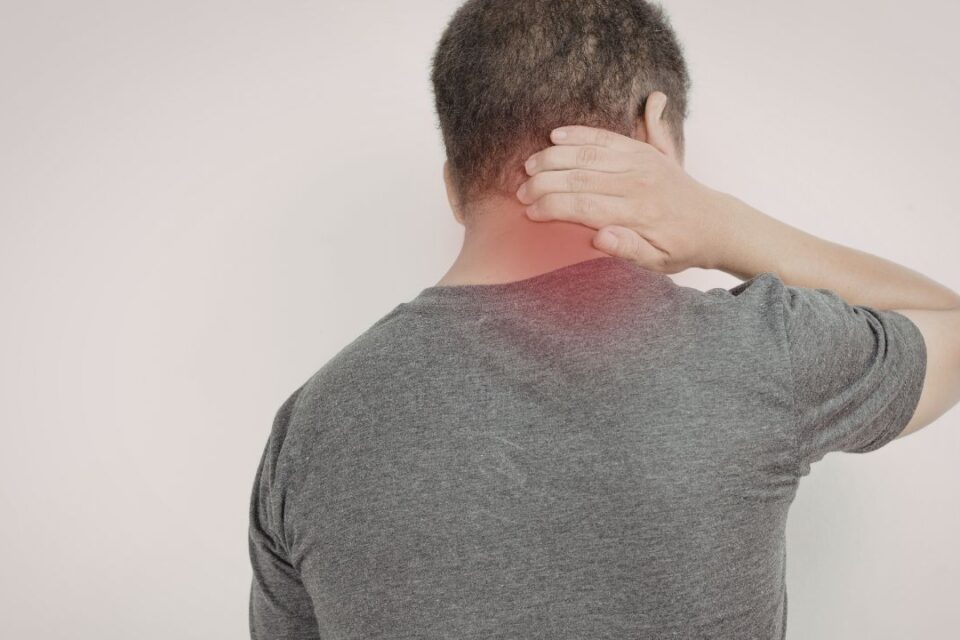
Neck pain can sneak up on us. It often starts as a little stiffness after a long day, but sometimes it sticks around longer than we expect. When stretches or rest stop working and the pain keeps interrupting normal life, it might be something more than just a sore neck. That’s when many people start thinking about chronic neck pain treatment, and not just for extreme cases.

If you’re in Gainesville or nearby and dealing with pain that doesn’t go away, recognizing the small signs can make a big difference. Before something minor turns into something harder to manage, here are a few everyday moments that may signal it’s time to get help.

When Neck Pain Starts Changing Your Routine

At the beginning, you might not even notice that you’re making adjustments. Maybe you stop turning your head as far while you drive. Or you hold the phone at a strange angle just to avoid that twinge behind your ear.

• You skip certain movements, like twisting to check your blind spot or reaching up in the closet

• Simple things like washing your hair or zipping up a jacket feel tougher than they used to

• Workdays feel longer because your neck starts to ache by mid-morning

• Falling asleep or staying asleep becomes harder, and some mornings you wake up with even more pain

When we detect these subtle changes, it usually means the pain isn’t just passing through.

Pain That Comes and Goes Isn’t Always Normal

Some aches arrive only once in a while. But if neck pain keeps coming back, especially at the same time, in the same place, it might be more than just stress or poor posture.

• You notice the tension building during long phone calls, cooking, or scrolling too long

• After a weekend of rest, the relief doesn’t last

• Every few days, you’re reaching for pain relief, heating pads, or taking breaks that never feel long enough

Pain that won’t settle for good deserves more than a temporary fix. It’s not just about how much it hurts. It’s about how often it shows up.

Other Symptoms Are Joining the Neck Pain

Sometimes it’s not just the pain that clues us in. New symptoms that come along for the ride often point to something more serious than a basic strain.

• Tingling, numbness, or weakness in your arms or hands

• Headaches that start at the base of your skull or feel like a tight band behind the eyes

• A dull, spreading ache down into your shoulders or upper back

These new signals may show that a nerve or joint is involved, not just sore muscles. When your neck pain brings friends, it’s time to pay closer attention.

Your Home Relief Habits Aren’t Doing Enough

Most of us try self-care first. We change pillows, adjust screens, and take short breaks. But when your go-to methods stop helping, that’s a sign your neck pain might need more focused care.

• You rest, stretch, change your posture, but nothing seems to stick

• A trip to the grocery store or prepping dinner makes your neck feel worse

• Looking at your phone for two minutes leads to steady discomfort

At that point, chronic neck pain treatment can be worth talking about. When pain gets in the way of your daily life, it tends to affect everything else too.

Giving Pain a Timeline: How Long Is Too Long?

It’s one thing to feel sore after a weekend hike or bad night’s sleep. It’s another when the pain lasts week after week without giving you a break.

• If you’ve had neck pain for more than two to four weeks, and it’s still just as strong

• When your discomfort doesn’t match up with any activity that would’ve caused it

• If it’s been hanging around longer than expected and seems to be getting worse

We don’t expect every ache to disappear overnight. But when the same pain sticks around for a month or returns like clockwork, it’s a flag that shouldn’t be ignored.

Small Signs That Deserve Serious Attention

Not all warning signs come with big, sharp pain. In fact, it’s usually the small, daily annoyances that signal a bigger issue just beneath the surface.

• You keep rubbing the back of your neck without realizing it

• It feels like your neck is always working too hard, even when you’re resting

• The soreness is low but constant, and it doesn’t matter what you’re doing

These quiet clues are easy to brush off, especially during busy weeks. But they’re worth pointing out before they grow into harder-to-reverse patterns.

When It’s Time to Stop Pushing Through the Pain

We get used to powering through discomfort. It’s easy to tell ourselves that neck pain is part of stress or the weather. But if it’s been hanging around long enough to change how you move, sleep, or focus, it’s not just a small problem anymore.

Specialized care, such as interventional treatments and definitive diagnosis with advanced imaging, is available at Origins Spine and Joint Physicians for patients in Gainesville dealing with ongoing neck pain and related symptoms. We utilize minimally invasive procedures, including targeted injections and image-guided therapies, for lasting neck pain relief.

Not every ache needs treatment, but steady neck pain that sticks around, especially with other symptoms, means it’s time to listen to your body. Paying attention to the early signs can help you stay mobile and feel more in control of your everyday health. When your neck pain starts to shape your routine instead of fitting into it, it’s time to take that next step.

Why Early Care Matters Most

When neck stiffness or discomfort disrupts your daily routine in Gainesville, it may be more than just a passing ache. Seeking help before the pain gets worse can help you regain motion, avoid further complications, and return to what you love faster. With the expertise of Origins Spine and Joint Physicians and our minimally invasive treatment options, Gainesville patients have access to effective and individualized care every step of the way.


Neck stiffness or soreness that disrupts your daily routine in Gainesville might need more than just rest. When pain sticks around or keeps coming back, it often means it’s time for a closer look. At Origins Spine and Joint Physicians, we guide you in deciding when care is needed and what your next steps could be. To explore treatment options for chronic neck pain treatment, reach out to us today.

A Closer Look at Spinal Cord Stimulation for Back Pain

October 28, 2025 by Will

How Spinal Cord Stimulation Helps Chronic Back Pain When Other Treatments Fail

Chronic back pain has a way of creeping into everyday life. It can shift how you sit, how you sleep, and even how you think about time with your loved ones. Many people begin with treatments like pain pills, physical therapy, or steroid injections. When those choices no longer work, frustration naturally builds. That’s when you might start searching for something different.

Spinal cord stimulation is a treatment some people try when other solutions don’t relieve pain. This therapy has offered relief for people looking for a bit more comfort and freedom of movement. In Athens, Georgia, when October brings cooler air, joint and muscle pain can flare up. Colder mornings can turn even easy tasks into real challenges. For anyone reaching this point, spinal cord stimulation can be a next step worth considering.

When Common Back Pain Treatments Aren’t Enough

Not every back problem responds to rest, exercise, or over-the-counter pills. For some, the pain lingers after an old injury. For others, it comes from nerve trouble or a spinal condition that doesn’t heal the way most aches do. Sometimes, pain just sticks around long after the original cause is gone.

Chronic pain affects every part of daily life. Work gets harder, it can be tough to focus and enjoy time with friends or family. You might try every remedy out there, heat, ice, stretching, medications, but nothing brings lasting relief. If pain starts interfering with sleep and movement, people often look toward pain management specialists who can recommend new approaches when the standard options no longer help.

What Is Spinal Cord Stimulation?

Spinal cord stimulation uses a device that sends low-level electrical signals to part of your spinal cord. The small device is usually placed under your skin, near the lower back or upper buttocks. Nothing is removed or replaced in your spine; the device just changes how pain signals travel to your brain.

Pain signals are supposed to move up your spine and to your brain, where you sense pain. The electrical pulses from this device act like a roadblock, keeping those signals from arriving in the same way. Instead, you might notice a soft tingling or just a feeling that the pain isn’t so sharp. This shift can help life feel a bit easier. The pain isn’t completely gone, but it’s not running your entire day.

At Origins Spine and Joint Physicians, spinal cord stimulation is always considered as part of a tailored care plan. The device can be programmed to different settings based on what a person feels day-to-day. This flexibility is especially helpful for people whose pain changes in different seasons or with activity.

How Spinal Cord Stimulation May Help with Chronic Back Pain

The main goal of spinal cord stimulation is to take the edge off chronic pain, not to erase it. Even a small reduction in pain can be life-changing. It might mean getting through a night of sleep or making it around the block on a walk without stopping all the time.

This therapy is often a good option for people who have ongoing nerve pain or those who already tried surgery and did not get the results they hoped for. Since it does not require the removal of bone or large surgical cuts, spinal cord stimulation is seen as a gentler step that could provide real benefit. Over time, some people notice that regular activities become less difficult. Sitting through a movie, finishing a meal, or enjoying small daily rituals can feel more comfortable. The goal isn’t pain-free living, but instead making daily living possible and meaningful again.

What to Expect During the Process

One helpful thing about spinal cord stimulation is that there’s a trial phase before any long-term device is placed. During this short trial, thin wires are carefully positioned near your spine using a minimally invasive technique that does not disturb the bone or spinal tissue. These wires connect to an external device you wear for about a week.

Here’s what you can expect:

– You will use the device temporarily, going about your normal routine.

– You keep track of your pain levels and any changes in comfort or activity.

– If the trial eases your pain, you and your doctor may decide to move to the next step.

If you and your care provider agree to move forward, the permanent device is implanted during a short procedure with limited downtime. The system is small and easy to hide under clothing. Importantly, the settings can be customized for better comfort and results. The relationship with your provider continues, with regular check-ins to make sure the device is working well and adjustments can be made at any time.

The team at Origins Spine and Joint Physicians relies on real-time imaging, such as fluoroscopy, to precisely place spinal cord stimulation devices. This approach reduces risk and leads to a smoother recovery for most people.

Is Spinal Cord Stimulation the Right Step?

This treatment is not meant for every type of back pain. Some people benefit more than others, especially if their pain comes from a nerve injury, a failed back surgery, or disc problems that have lingered for a long time. It is not always a fit for people who have an active infection or who have certain types of medical devices already in their body.

A careful review will look at things like

– How long you have been in pain and what treatments you have tried

– Your full health history, including other conditions and surgeries

– How your pain responds to movement and rest

Safety and comfort matter at every step. If spinal cord stimulation is the right fit, it is just one piece of a larger pain management plan aimed at steady, lasting progress.

Moving Toward Better Days With Less Pain

Back pain that lingers can leave people feeling out of step with what matters most. Cooking a favorite meal or taking the dog for a short walk should not feel out of reach. Exploring a different treatment can mean gaining back some of the things you care about, even if it’s just a bit at a time.

Autumn can make pain symptoms tougher for people in Athens. Cooler temperatures can tighten muscles and slow joint movement, turning small aches into bigger hurdles. That is why October is often the moment when people start thinking more seriously about new options for relief. You do not have to settle for less comfort when living with pain. Even a small change in your care can open doors to better days ahead.


At Origins Spine and Joint Physicians, we know how frustrating it can feel when common back pain treatments stop making a difference. Rest, physical therapy, or injections don’t always get to the root, especially when nerve pain is part of the picture. For some people in the Athens area, a next step like spinal cord stimulation may offer more focused relief. We take time to understand your symptoms, review your health history, and talk through what might actually help in day-to-day life. When you’re ready for a different kind of conversation, we’re here.

Accepted Insurance Plans

September 23, 2025 by Will

Below you will find a full list of health insurance plans that we accept:


AETNA (COMMERCIAL / MEDICARE)

AMBETTER (PEACH STATE HEALTH PLAN COMMERCIAL EXCHANGE ONLY NO MEDICAID)

ANTHEM (COMMERCIAL / MEDICARE)

CARESOURCE MARKET PLACE AND / OR MEDICARE BUT NO MEDICAID (GA HEALTH INSURANCE EXCHANGE)

CIGNA (COMMERCIAL)

CORVEL WORKERS COMP

DEPT OF VA – OPTUM

FIRST HEALTH

HEALTH ONE ALLIANCE / ALLIANT HEALTH PLANS

HUMANA (COMMERCIAL / MEDICARE)

MULTIPLAN / BEECJ STREET / PHCS

NOVITAS DME

PALMETTO GBA MEDICARE

PEACH STATE HEALTH PLAN (COMMERCIAL EXCHANGE NO MEDICAID)

RAILROAD MEDICARE

TRICARE EAST CERTIFIED NON-PAR

UHC (COMMERCIAL / MEDICARE)

WELLCARE (MEDICARE)

Insurance

June 6, 2024 by Will

Below you will find a full list of health insurance plans that we accept:


AETNA (COMMERCIAL / MEDICARE)

AMBETTER (PEACH STATE HEALTH PLAN COMMERCIAL EXCHANGE ONLY NO MEDICAID)

ANTHEM (COMMERCIAL / MEDICARE)

CARESOURCE MARKET PLACE AND / OR MEDICARE BUT NO MEDICAID (GA HEALTH INSURANCE EXCHANGE)

CIGNA (COMMERCIAL)

CORVEL WORKERS COMP

DEPT OF VA – OPTUM

FIRST HEALTH

HEALTH ONE ALLIANCE / ALLIANT HEALTH PLANS

HUMANA (COMMERCIAL / MEDICARE)

MULTIPLAN / BEECJ STREET / PHCS

NOVITAS DME

PALMETTO GBA MEDICARE

PEACH STATE HEALTH PLAN (COMMERCIAL EXCHANGE NO MEDICAID)

RAILROAD MEDICARE

TRICARE EAST CERTIFIED NON-PAR

UHC (COMMERCIAL / MEDICARE)

WELLCARE (MEDICARE)

Understanding Common Spine and Joint Conditions

July 19, 2023 by Will

A Guide for Athens Residents

Living an active and vibrant life in Athens often involves engaging in various physical activities such as hiking in the beautiful trails, playing sports with friends on campus, or simply enjoying the outdoor activities that this area has to offer. However, these activities can sometimes take a toll on our bodies, particularly our spines and joints. Whether you’re an athlete, a trade worker, or simply someone who values their overall well-being, it’s very important to understand common spine and joint conditions that can affect us and how to address them effectively.

In this comprehensive guide, we’ll explore some of the most prevalent spine and joint conditions and provide insights into prevention, management, and seeking appropriate medical attention to maintain an active lifestyle.

1. Lower Back Pain

Lower back pain is one of the most widespread spine-related issues faced by individuals of all ages. It can be caused by various factors, including poor posture, muscle strains, herniated discs, and degenerative conditions like osteoarthritis. To alleviate lower back pain, incorporating regular exercise that strengthens the core muscles, maintaining proper posture, and using ergonomic furniture can be beneficial. In cases of persistent or severe pain, consulting with a spine pain specialist like Dr. Crider may be a good idea in order to alleviate the pain as soon as possible.

Since lower back pain is such a common issue and can be caused by a number of conditions, check out some conditions we treat and see if any fit the description of your lower back pain:

2. Arthritis

Arthritis is a condition that affects the joints, causing pain, stiffness, and reduced mobility. The two most common types are osteoarthritis and rheumatoid arthritis. Regular low-impact exercises, such as swimming and cycling, can help manage arthritis symptoms. Additionally, dietary changes and maintaining a healthy weight can further contribute to alleviating discomfort. For those experiencing persistent joint pain and inflammation, consulting a rheumatologist can lead to a proper diagnosis and tailored treatment plan.

3. Sprains and Strains

Sprains and strains often occur due to sudden or excessive stress on a joint or muscle. They can range from mild to severe and can be treated with rest, ice, compression, and elevation (RICE). Athletes and active individuals in Athens should be mindful of proper warm-up routines and gradually increasing the intensity of physical activities to prevent such injuries. For severe cases or recurring problems, consulting an orthopedic specialist can aid in rehabilitation and recovery.

4. Herniated Discs

A herniated disc occurs when the soft center of a spinal disc pushes through a crack in the tougher exterior, putting pressure on nearby nerves. This can lead to pain, numbness, and weakness in the affected area. Treatment options for herniated discs may include physical therapy, pain management techniques, and in some cases, surgical intervention. If you suspect a herniated disc, consulting a spine specialist is essential for proper diagnosis and appropriate treatment.

5. Sciatica

Sciatica is a condition characterized by pain that radiates along the sciatic nerve, which runs from the lower back down through the hips, buttocks, and legs. It is often caused by a herniated disc or bone spur compressing the nerve. Regular stretching exercises, over-the-counter pain relievers, and applying heat or ice to the affected area can provide relief. However, if the pain persists or worsens, seeking medical advice from a healthcare professional is crucial.

6. Scoliosis

Scoliosis is a spinal condition characterized by an abnormal sideways curvature of the spine. It can develop during childhood or adolescence and, in some cases, can progress into adulthood. Early detection is vital for effective management, and regular check-ups with a spine specialist are recommended for those with scoliosis. Depending on the severity, treatment options may include bracing or, in more severe cases, corrective surgery.

7. Bursitis

Bursitis is the inflammation of the bursae, small fluid-filled sacs that cushion the bones, tendons, and muscles near joints. It often affects the shoulders, hips, and knees. Rest, ice, and pain medication can help relieve symptoms, but it’s essential to address the underlying cause of the inflammation. In cases of persistent bursitis, a consultation with an orthopedic specialist can offer further guidance.

Conclusion:

While living an active life in Athens, it’s essential to be aware of common spine and joint conditions that may arise. If you understand these conditions and implement preventive measures, you can significantly reduce the risk of injuries and promote long-term well-being. However, if you experience persistent or severe pain, it’s vital to seek medical attention from qualified specialists who can provide accurate diagnoses and personalized treatment plans, helping you get back to your active lifestyle in no time. Stay informed, take care of your spine and joints, and continue to embrace the beauty of Athens, GA, with a healthy and happy body.

5 Tips for Maintaining A Healthy Spine

July 18, 2023 by Will

Living with chronic spine pain can significantly impact your quality of life. Fortunately, by adopting healthy habits and making conscious lifestyle choices, you can take proactive steps to maintain a healthy spine. In this blog post, we’ll share the top five tips for residents of Athens to keep their spines in excellent condition!

  1. Exercise Regularly:

Regular exercise plays a vital role in maintaining strong muscles and supporting spinal health. Engaging in low-impact exercises such as walking, swimming, or cycling can help increase flexibility, improve posture, and reduce the risk of injuries. Consider exploring the scenic trails in Athens or joining a local fitness class to stay active.

Not only does staying active play a key role in maintaining a healthy spine, but it also promotes a healthy lifestyle in other areas like nutrition and sleep!

  1. Practice Good Posture:

Maintaining good posture is crucial for preventing unnecessary strain on your spine. With working from home becoming more popular over the past several years, its easy to get used to having a bad posture. Whether you’re sitting at a desk or standing for long periods, strive to keep your spine aligned, shoulders relaxed, and chin level. Investing in an ergonomic chair or using lumbar support pillows can also provide added assistance in maintaining proper posture.

  1. Lift Properly:

Improper lifting techniques can lead to strain on your spine and joints, potentially causing injuries. When lifting heavy objects, remember to bend your knees, engage your core muscles, and lift with your legs rather than your back. If the object is too heavy, don’t hesitate to seek assistance or use equipment to aid in the lifting process.

Many trade professionals, such as masonry workers, construction workers, plumbers, electricians, and general contractors, often experience long-term spine pain due to the continuous strain of lifting heavy objects on their backs. Remember that if you feel your back straining, take a moment to relax before lifting again.

  1. Maintain a Healthy Weight:

Excess weight can place additional stress on your spine and joints, leading to pain and discomfort. By maintaining a healthy weight through a balanced diet and regular exercise, you can alleviate pressure on these vital structures. Incorporate nutrient-rich foods into your diet and consult with a nutritionist if needed.

By simply being overweight, you are putting more pressure on your vertebrae, increasing the risk of vertebral compression fractures and other severe spine conditions. To combat weight gain, stick to a strict meal plan and exercise consistently!

  1. Prioritize Rest and Recovery:

Allowing your body time to rest and recover is essential for maintaining optimal spine and joint health. Ensure you get enough sleep each night (at least 7 hours), as it aids in tissue repair and rejuvenation. Additionally, consider incorporating relaxation techniques such as yoga or meditation to reduce stress and promote overall well-being.

By following these five tips, you can actively promote a healthy spine, reducing the risk of pain and improving your overall quality of life. Remember, prevention is key when it comes to spinal health, so take the necessary steps today to protect your spine for the future. If you’re experiencing persistent pain or discomfort, don’t hesitate to book your first appointment with Origins Spine and Joint Physicians and take your first step to living a pain-free life!