How Spinal Cord Stimulation Helps Relieve Nerve Pain
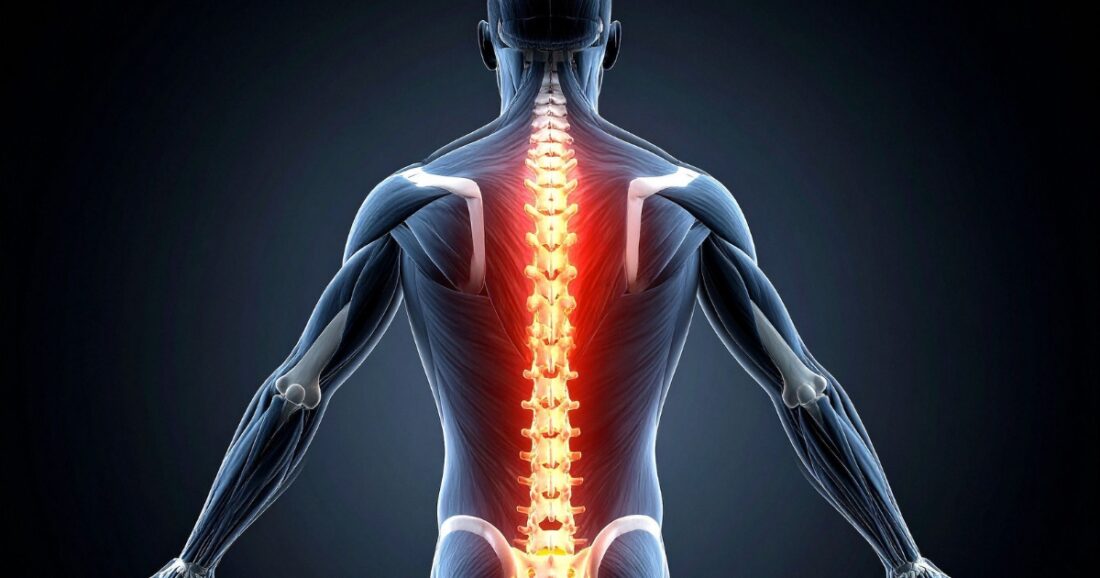
For people living with long-term spine or nerve pain, it can feel like there’s no clear answer. When rest, therapy, or medication stop helping enough, it might be time to look into something different. Spinal cord stimulation is one option that more people are asking about, especially as summer brings more activity and movement.
If you’re thinking about spinal cord stimulation in Athens and want to understand how it works, you’re not alone. It’s a treatment some people turn to when daily pain starts to slow them down, no matter how many other things they’ve tried. Let’s walk through what this treatment really is and what life might look like with it, especially during the warmer months.
What Spinal Cord Stimulation Is and How It Works
Spinal cord stimulation is used to help people feel less pain in their back, hips, or legs. It doesn’t get rid of the cause of the pain, but it changes how the body feels it. The process involves a small device placed under the skin, often near the lower back. This device sends gentle electrical signals to the spinal cord.
These signals “interrupt” the pain before it fully reaches the brain. It’s a little like turning down the volume on a radio, your body might still pick up the signal, but it doesn’t sound as loud or sharp.
• The device is usually made up of two main parts, a small battery and thin wires called leads
• The leads are placed near the spinal cord and the battery sits under the skin, often near the buttocks
• A remote control can help turn the device on or off, adjust levels, or switch between settings
This treatment doesn’t use medicine or surgery to block pain. It works with the body’s natural signals and can be adjusted over time.
At Origins Spine and Joint Physicians, our board-certified physician, Dr. Steve Crider Jr., specializes in advanced spinal cord stimulation and minimally invasive procedures. We conduct careful pre-treatment evaluations and provide trial stimulator placement to help patients know if this option is likely to bring real relief before anything is permanent.
Who Might Be a Good Fit for Spinal Cord Stimulation
This option is usually for people who’ve been dealing with pain for a long time. It’s not meant as a first choice, but it can help when other steps haven’t worked as hoped. People who may benefit mostly have:
• Pain that hasn’t improved enough with physical therapy, pills, or injections
• Ongoing nerve pain in the lower back, legs, or arms
• A history of surgery or injuries that left nerve pain behind
It starts with a strong care plan. That means looking closely at someone’s full medical picture, understanding what’s been tried before, and ruling out other conditions. Not every person or type of pain is right for spinal cord stimulation, and that’s why a careful check comes first.
In many cases, people try a variety of methods before considering spinal cord stimulation. Some may use pain relievers, try physical therapy, or even go through minor procedures to target specific problem areas. When these don’t give enough relief, or the pain keeps getting in the way, it might be time to discuss if a device like this could help. Medical teams look at what’s been attempted, learn more about where pain is and how it changes daily life, then decide if a trial is the next best step.
For people worried about being comfortable with a device in the body, it helps to know the stimulator is placed using a minimally invasive technique. The parts are small and designed to blend in, so most folks forget it’s even there after they heal. This is important for those who want to get moving again without feeling burdened by a big piece of equipment or regular medication.
What the Trial Process Looks Like
Before this treatment becomes permanent, there’s a trial week to see if it helps. That way, people can test out how it feels without fully committing.
Here’s how the trial usually works:
1. A doctor places the leads near the spine and connects them to a temporary device worn on a belt or outside the body
2. You go home and live life as usual, testing how much relief the stimulation gives
3. You note how your pain feels during different situations like sleeping, walking, standing, or doing chores
4. After about a week, you talk it over with your provider
If the trial feels successful and brings solid relief, the next step may be to place the full device under the skin. But if it doesn’t help much, that’s useful to know too, you haven’t made anything permanent.
During this trial period, most people keep track of their activities, noting how pain changes with things like bending, sitting, or spending time outdoors. Families often support by reminding loved ones to jot down their feelings and keep an open mind about the process. The main goal is to see if the device really makes everyday life easier and movement more comfortable. If there’s any uncertainty, medical teams can help walk through the decision, making sure no question is left unanswered before moving forward.
Living With a Spinal Cord Stimulator in Summer
For anyone in Athens starting this treatment in warm weather, it helps to know what to expect. Summer brings more sweat, activity, and time outdoors, so small changes may be needed, especially early on while healing.
• Keep the skin clean and dry while the site heals after placement
• Take breaks during longer walks or hot days to avoid overheating
• Stay hydrated since water helps the muscles and nerves work better
• Listen to your body, if you feel tired or sore, reset and rest
After a few weeks, things begin to feel more natural. The battery is built to stay out of the way, and many people return to swimming, grilling, walking trails, or traveling without problems. Just go slow at first and check in with your care plan if anything feels off.
Summertime activities are a big part of life, and spinal cord stimulation is made for people who want to be active again. Whether you’re headed to family barbecues, enjoying pool days, or just spending time outside, it’s possible to do many of the things you love after the body heals. Some folks notice a big difference in how much energy they have or how easy it is to move. This change gives hope to people who’ve felt sidelined by long-term pain.
Questions People Often Have About Spinal Cord Stimulation
Lots of people are curious or careful when thinking about pain treatments like this. It’s normal to have questions. Here are some that come up a lot:
• Will it hurt to have the device placed? Some soreness is expected at first, but it’s usually short-term
• Will people see it under my clothes? The device sits under the skin and is usually not visible
• Can I still travel or be active? Yes, many people return to their normal routines, though it’s good to check if any updates are needed for air travel
• Will the device limit movement? Most people move more freely once pain is down, it can actually help with being active again
Since pain and health go hand in hand, each person’s experience is a little different. What matters is having your questions answered and feeling confident in what comes next.
Along the way, people might wonder about other parts of life, too. For example, it’s common to ask if the device is safe around airport scanners, security checks, or other electronics. The good news is, your doctor talks through these questions well in advance and gives written instructions you can keep in your bag or wallet. This way, you always know how to handle special situations and won’t feel surprised by anything new.
People also want to know if activities such as biking, hiking, or gardening can still be part of their routine. Once you recover from the initial placement, most gentle movements are allowed, and you slowly build back up to favorites. Special advice is offered for anything high-impact or new, so don’t worry about asking more questions during your follow-up visits.
Managing Pain With More Confidence This Season
Living with chronic pain can wear anyone down. It affects not just the body but also the way each day feels. When treatments stop working and daily life feels harder, spinal cord stimulation in Athens might be one more path to look at.
This summer, we encourage you to learn more, ask your questions, and pay attention to what your body is telling you. Relief may not happen overnight, but the better we understand our options, the easier it is to make decisions that support long-term comfort and movement.
Exploring options for long-term pain relief in Athens can feel overwhelming, but at Origins Spine and Joint Physicians, we’re here to help you discover what works best for you. For some people, a treatment like spinal cord stimulation in Athens provides lasting support when traditional approaches have not brought the desired results. Our process starts with a straightforward conversation about your needs and goals. Call us today to schedule a visit and find out what your next steps could be.