Tag: origins spine and joint physicians

Winter Tips to Ease Joint Pain and Improve Mobility

February 25, 2026 by Will

Introduction

A new year tends to bring new energy, and for many of us, that means wanting to move better, feel stronger, and enjoy daily life with a little more ease. After a busy holiday season and a few cold mornings, it’s not unusual to feel like your joints are moving slower than usual. In places like Athens, Georgia, winter can sneak up on us, especially when it starts to affect how we feel getting out of bed, walking around, or handling everyday tasks.

Whether you’re feeling stiff after weeks of doing less or dealing with long-term aches that won’t fade, this could be a good time to reassess how you’re taking care of your movement. Local support, like joint physicians in Athens, can help start those conversations in a way that feels manageable. There’s no need for big changes all at once. For now, we can look at why our bodies may be struggling a bit in January and how small steps can lead to better motion heading into spring.

How Winter Affects Joint Movement

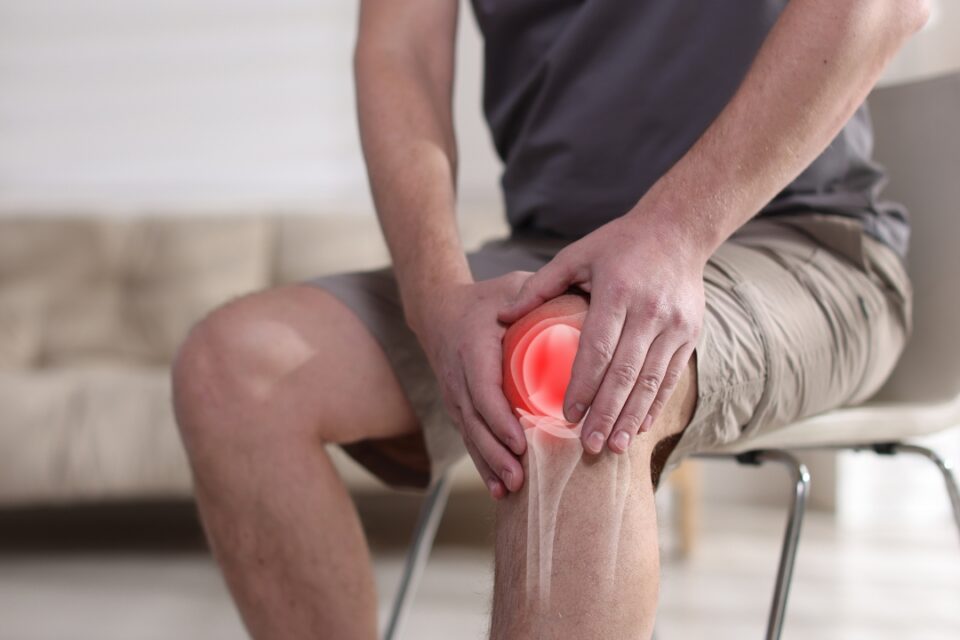
Cold weather has a way of making joints feel slower, tighter, and less willing to cooperate. Even if winter in Athens isn’t always freezing, the chill in the air is enough to make muscles and joints tense up. If you’ve got arthritis or an old injury, you may notice stiffness first thing in the morning or after you’ve been sitting for a while.

The mix of sitting more, moving less, and cooler temperatures can lead to:

• More stiffness in knees, hips, and shoulders

• Increased swelling or discomfort in joints already prone to pain

• Slower recovery after activity, even something light

These changes don’t always scream for urgent care, but they can build up over time. When left alone too long, tightness can lead to less balance or flexibility, which only makes movement harder. That’s why winter is a smart time to be more aware of how your body is doing, rather than waiting for things to worsen.

Setting Real Mobility Goals That Fit Your Life

The new year invites ambition, but not every goal needs to be bold. Sometimes the most helpful changes are the simplest. Instead of thinking about big fitness milestones, try focusing on what matters most in your own day. That might be feeling steady walking around the grocery store or not needing to pause every time you take the stairs.

Some goals to consider this winter might be:

• Being able to get up from the couch with a little less effort

• Walking a short distance each day without added pain

• Feeling steadier on your feet while doing basic chores

When you’re setting goals, think about what you want your body to do with less discomfort, rather than what you feel you “should” be achieving. A little more ease with walking, standing, or bending can make a big difference in how you move through winter life.

What to Expect When You Meet with a Joint Specialist

If you’re wondering whether it’s time to talk to someone about your joint pain, it helps to know what that first step might look like. Appointments with joint physicians in Athens are fairly relaxed. They’re meant to understand what’s making movement harder and how to support you in feeling better.

A first visit often includes:

• A chance to talk through where your pain is, when it shows up, and how it’s affecting movement

• Some light mobility checks, based on what you’re comfortable doing

• A conversation about possible reasons for your joint pain or stiffness

You’re not expected to come in with perfect answers. This is just a chance for someone to look at the whole picture, not just your joints, but your habits, your health history, and your comfort levels. Some people feel nervous that they’ll be told they’re doing things “wrong,” but that’s not the goal. The real aim is feeling more confident in your body as you move through the colder months.

Making Your Plan Stick Through February and Beyond

Once movement starts to feel a little better, the next challenge is keeping that momentum going. Cold weather and busy schedules can make it hard to focus on body care, but staying consistent doesn’t have to be complicated. What helps most is building small habits and checking in on how you’re really feeling.

Try keeping up with basic routines, such as:

• A few minutes of gentle movement every morning and evening

• Light stretches for joints that feel stiff, especially knees, hips, and shoulders

• Wearing layers or using heat around cold-prone spots to reduce tightness

One of the signs you’re on the right track is noticing how small wins build over time. Maybe you sleep better one night after stretching more. Maybe walking around the block feels less draining than it did in January. You don’t need to push through pain to make progress. If something hurts more instead of less, it’s a good time to pause and talk with someone before that discomfort grows.

Keep Moving Toward a Smoother Spring

Every new year begins in the middle of winter, but that doesn’t mean you have to stay stuck in the same patterns. Paying attention to how your joints feel, especially after colder mornings or stretches of less activity, gives you a clearer idea of what kind of support might help. Even small changes like more stretching or adjusting how you move through daily routines can start to improve how your body feels.

As spring gets closer, these habits make it easier to enjoy more of what you want to do. With a little support, even from simple conversations about joint movement, feeling more mobile each week becomes possible. You don’t have to wait for the weather to warm up to begin making those changes. A good plan starts with meeting your body where it’s at and giving it a gentle push forward.

Winter stiffness doesn’t have to hold you back. Our team of joint physicians in Athens is here to help you find natural movement again. At Origins Spine and Joint Physicians, we listen to your needs and create simple steps to meet you at your comfort level, focusing on care that helps your body feel steadier this season. Reach out to schedule a conversation about the best options for your joints right now.

Signs Your Neck Pain Might Need a Closer Look

November 4, 2025 by Will

Introduction

Neck pain can sneak up on us. It often starts as a little stiffness after a long day, but sometimes it sticks around longer than we expect. When stretches or rest stop working and the pain keeps interrupting normal life, it might be something more than just a sore neck. That’s when many people start thinking about chronic neck pain treatment, and not just for extreme cases.

If you’re in Gainesville or nearby and dealing with pain that doesn’t go away, recognizing the small signs can make a big difference. Before something minor turns into something harder to manage, here are a few everyday moments that may signal it’s time to get help.

When Neck Pain Starts Changing Your Routine

At the beginning, you might not even notice that you’re making adjustments. Maybe you stop turning your head as far while you drive. Or you hold the phone at a strange angle just to avoid that twinge behind your ear.

• You skip certain movements, like twisting to check your blind spot or reaching up in the closet

• Simple things like washing your hair or zipping up a jacket feel tougher than they used to

• Workdays feel longer because your neck starts to ache by mid-morning

• Falling asleep or staying asleep becomes harder, and some mornings you wake up with even more pain

When we detect these subtle changes, it usually means the pain isn’t just passing through.

Pain That Comes and Goes Isn’t Always Normal

Some aches arrive only once in a while. But if neck pain keeps coming back, especially at the same time, in the same place, it might be more than just stress or poor posture.

• You notice the tension building during long phone calls, cooking, or scrolling too long

• After a weekend of rest, the relief doesn’t last

• Every few days, you’re reaching for pain relief, heating pads, or taking breaks that never feel long enough

Pain that won’t settle for good deserves more than a temporary fix. It’s not just about how much it hurts. It’s about how often it shows up.

Other Symptoms Are Joining the Neck Pain

Sometimes it’s not just the pain that clues us in. New symptoms that come along for the ride often point to something more serious than a basic strain.

• Tingling, numbness, or weakness in your arms or hands

• Headaches that start at the base of your skull or feel like a tight band behind the eyes

• A dull, spreading ache down into your shoulders or upper back

These new signals may show that a nerve or joint is involved, not just sore muscles. When your neck pain brings friends, it’s time to pay closer attention.

Your Home Relief Habits Aren’t Doing Enough

Most of us try self-care first. We change pillows, adjust screens, and take short breaks. But when your go-to methods stop helping, that’s a sign your neck pain might need more focused care.

• You rest, stretch, change your posture, but nothing seems to stick

• A trip to the grocery store or prepping dinner makes your neck feel worse

• Looking at your phone for two minutes leads to steady discomfort

At that point, chronic neck pain treatment can be worth talking about. When pain gets in the way of your daily life, it tends to affect everything else too.

Giving Pain a Timeline: How Long Is Too Long?

It’s one thing to feel sore after a weekend hike or bad night’s sleep. It’s another when the pain lasts week after week without giving you a break.

• If you’ve had neck pain for more than two to four weeks, and it’s still just as strong

• When your discomfort doesn’t match up with any activity that would’ve caused it

• If it’s been hanging around longer than expected and seems to be getting worse

We don’t expect every ache to disappear overnight. But when the same pain sticks around for a month or returns like clockwork, it’s a flag that shouldn’t be ignored.

Small Signs That Deserve Serious Attention

Not all warning signs come with big, sharp pain. In fact, it’s usually the small, daily annoyances that signal a bigger issue just beneath the surface.

• You keep rubbing the back of your neck without realizing it

• It feels like your neck is always working too hard, even when you’re resting

• The soreness is low but constant, and it doesn’t matter what you’re doing

These quiet clues are easy to brush off, especially during busy weeks. But they’re worth pointing out before they grow into harder-to-reverse patterns.

When It’s Time to Stop Pushing Through the Pain

We get used to powering through discomfort. It’s easy to tell ourselves that neck pain is part of stress or the weather. But if it’s been hanging around long enough to change how you move, sleep, or focus, it’s not just a small problem anymore.

Specialized care, such as interventional treatments and definitive diagnosis with advanced imaging, is available at Origins Spine and Joint Physicians for patients in Gainesville dealing with ongoing neck pain and related symptoms. We utilize minimally invasive procedures, including targeted injections and image-guided therapies, for lasting neck pain relief.

Not every ache needs treatment, but steady neck pain that sticks around, especially with other symptoms, means it’s time to listen to your body. Paying attention to the early signs can help you stay mobile and feel more in control of your everyday health. When your neck pain starts to shape your routine instead of fitting into it, it’s time to take that next step.

Why Early Care Matters Most

When neck stiffness or discomfort disrupts your daily routine in Gainesville, it may be more than just a passing ache. Seeking help before the pain gets worse can help you regain motion, avoid further complications, and return to what you love faster. With the expertise of Origins Spine and Joint Physicians and our minimally invasive treatment options, Gainesville patients have access to effective and individualized care every step of the way.


Neck stiffness or soreness that disrupts your daily routine in Gainesville might need more than just rest. When pain sticks around or keeps coming back, it often means it’s time for a closer look. At Origins Spine and Joint Physicians, we guide you in deciding when care is needed and what your next steps could be. To explore treatment options for chronic neck pain treatment, reach out to us today.

A Closer Look at Spinal Cord Stimulation for Back Pain

October 28, 2025 by Will

How Spinal Cord Stimulation Helps Chronic Back Pain When Other Treatments Fail

Chronic back pain has a way of creeping into everyday life. It can shift how you sit, how you sleep, and even how you think about time with your loved ones. Many people begin with treatments like pain pills, physical therapy, or steroid injections. When those choices no longer work, frustration naturally builds. That’s when you might start searching for something different.

Spinal cord stimulation is a treatment some people try when other solutions don’t relieve pain. This therapy has offered relief for people looking for a bit more comfort and freedom of movement. In Athens, Georgia, when October brings cooler air, joint and muscle pain can flare up. Colder mornings can turn even easy tasks into real challenges. For anyone reaching this point, spinal cord stimulation can be a next step worth considering.

When Common Back Pain Treatments Aren’t Enough

Not every back problem responds to rest, exercise, or over-the-counter pills. For some, the pain lingers after an old injury. For others, it comes from nerve trouble or a spinal condition that doesn’t heal the way most aches do. Sometimes, pain just sticks around long after the original cause is gone.

Chronic pain affects every part of daily life. Work gets harder, it can be tough to focus and enjoy time with friends or family. You might try every remedy out there, heat, ice, stretching, medications, but nothing brings lasting relief. If pain starts interfering with sleep and movement, people often look toward pain management specialists who can recommend new approaches when the standard options no longer help.

What Is Spinal Cord Stimulation?

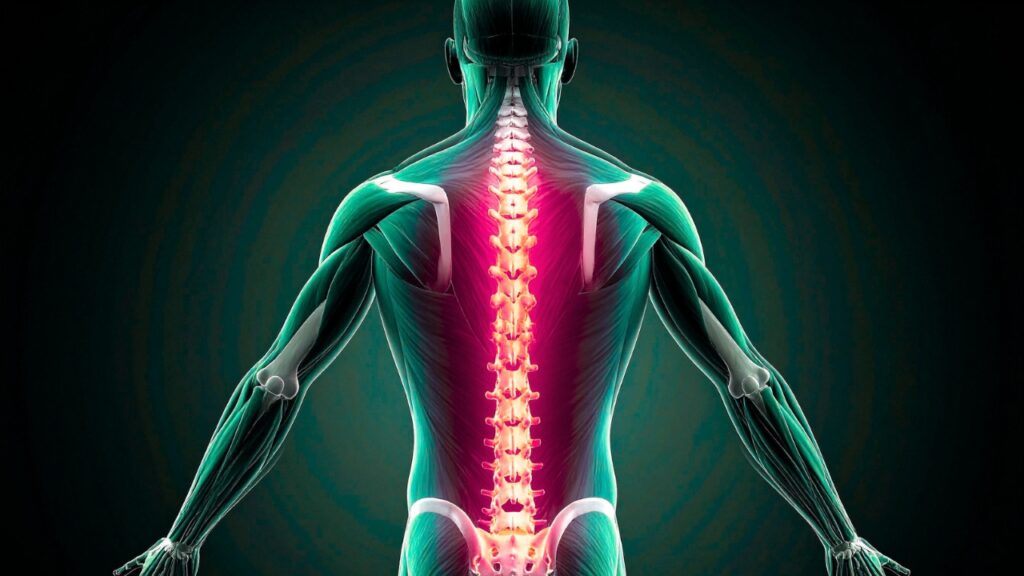
Spinal cord stimulation uses a device that sends low-level electrical signals to part of your spinal cord. The small device is usually placed under your skin, near the lower back or upper buttocks. Nothing is removed or replaced in your spine; the device just changes how pain signals travel to your brain.

Pain signals are supposed to move up your spine and to your brain, where you sense pain. The electrical pulses from this device act like a roadblock, keeping those signals from arriving in the same way. Instead, you might notice a soft tingling or just a feeling that the pain isn’t so sharp. This shift can help life feel a bit easier. The pain isn’t completely gone, but it’s not running your entire day.

At Origins Spine and Joint Physicians, spinal cord stimulation is always considered as part of a tailored care plan. The device can be programmed to different settings based on what a person feels day-to-day. This flexibility is especially helpful for people whose pain changes in different seasons or with activity.

How Spinal Cord Stimulation May Help with Chronic Back Pain

The main goal of spinal cord stimulation is to take the edge off chronic pain, not to erase it. Even a small reduction in pain can be life-changing. It might mean getting through a night of sleep or making it around the block on a walk without stopping all the time.

This therapy is often a good option for people who have ongoing nerve pain or those who already tried surgery and did not get the results they hoped for. Since it does not require the removal of bone or large surgical cuts, spinal cord stimulation is seen as a gentler step that could provide real benefit. Over time, some people notice that regular activities become less difficult. Sitting through a movie, finishing a meal, or enjoying small daily rituals can feel more comfortable. The goal isn’t pain-free living, but instead making daily living possible and meaningful again.

What to Expect During the Process

One helpful thing about spinal cord stimulation is that there’s a trial phase before any long-term device is placed. During this short trial, thin wires are carefully positioned near your spine using a minimally invasive technique that does not disturb the bone or spinal tissue. These wires connect to an external device you wear for about a week.

Here’s what you can expect:

– You will use the device temporarily, going about your normal routine.

– You keep track of your pain levels and any changes in comfort or activity.

– If the trial eases your pain, you and your doctor may decide to move to the next step.

If you and your care provider agree to move forward, the permanent device is implanted during a short procedure with limited downtime. The system is small and easy to hide under clothing. Importantly, the settings can be customized for better comfort and results. The relationship with your provider continues, with regular check-ins to make sure the device is working well and adjustments can be made at any time.

The team at Origins Spine and Joint Physicians relies on real-time imaging, such as fluoroscopy, to precisely place spinal cord stimulation devices. This approach reduces risk and leads to a smoother recovery for most people.

Is Spinal Cord Stimulation the Right Step?

This treatment is not meant for every type of back pain. Some people benefit more than others, especially if their pain comes from a nerve injury, a failed back surgery, or disc problems that have lingered for a long time. It is not always a fit for people who have an active infection or who have certain types of medical devices already in their body.

A careful review will look at things like

– How long you have been in pain and what treatments you have tried

– Your full health history, including other conditions and surgeries

– How your pain responds to movement and rest

Safety and comfort matter at every step. If spinal cord stimulation is the right fit, it is just one piece of a larger pain management plan aimed at steady, lasting progress.

Moving Toward Better Days With Less Pain

Back pain that lingers can leave people feeling out of step with what matters most. Cooking a favorite meal or taking the dog for a short walk should not feel out of reach. Exploring a different treatment can mean gaining back some of the things you care about, even if it’s just a bit at a time.

Autumn can make pain symptoms tougher for people in Athens. Cooler temperatures can tighten muscles and slow joint movement, turning small aches into bigger hurdles. That is why October is often the moment when people start thinking more seriously about new options for relief. You do not have to settle for less comfort when living with pain. Even a small change in your care can open doors to better days ahead.


At Origins Spine and Joint Physicians, we know how frustrating it can feel when common back pain treatments stop making a difference. Rest, physical therapy, or injections don’t always get to the root, especially when nerve pain is part of the picture. For some people in the Athens area, a next step like spinal cord stimulation may offer more focused relief. We take time to understand your symptoms, review your health history, and talk through what might actually help in day-to-day life. When you’re ready for a different kind of conversation, we’re here.